
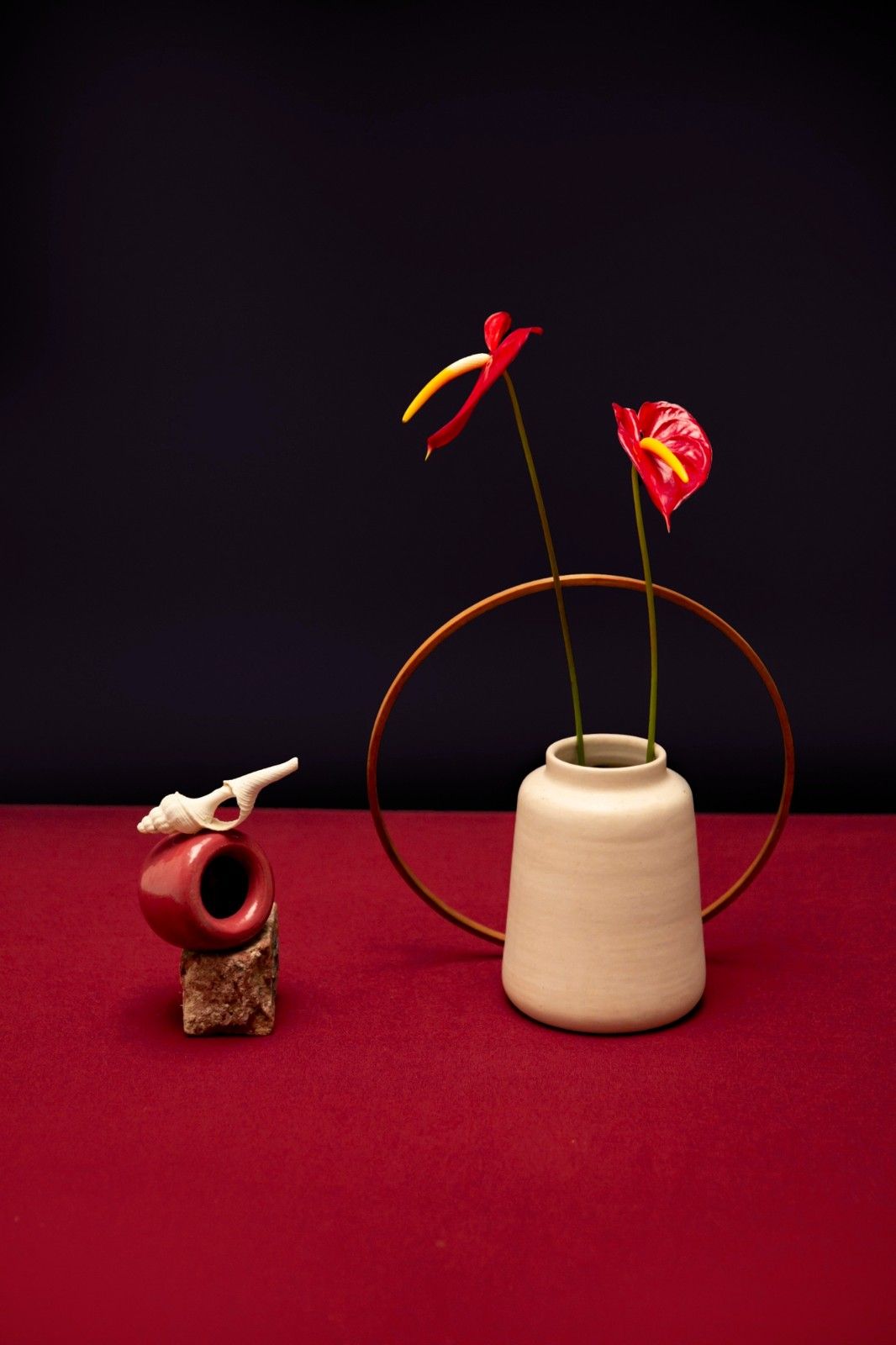
Still life photography is a photography genre that focuses on capturing carefully arranged inanimate objects to create visually appealing, artistic, or commercial images. Photographers control the composition, lighting, background, and positioning of every object, allowing them to highlight textures, colours, shapes, and details while expressing creativity or promoting products.
Photography allows us to preserve moments, tell stories, and express creativity in countless ways. While many people associate photography with portraits, landscapes, or wildlife, one of the most rewarding and creative genres is still life photography. It transforms everyday objects into captivating works of art through thoughtful composition, lighting, and attention to detail.
Whether it is a bowl of fruit, fresh flowers, vintage books, jewellery, kitchen utensils, or luxury products, still life photography gives photographers complete control over every element in the frame. Unlike outdoor photography, where lighting and surroundings constantly change, still life photography allows you to carefully build each scene until it perfectly matches your creative vision.
This guide explains what still life photography is, why it is so popular, the techniques professionals use, the equipment required, and practical tips to help you produce striking still life photographs.
Still life photography is the art of photographing non-living objects in a carefully planned arrangement. The subject remains stationary, allowing photographers to experiment with composition, lighting, colours, angles, and backgrounds without feeling rushed.
The purpose may be artistic, commercial, editorial, or educational. Every object is deliberately positioned to create balance, visual interest, or a specific mood.
Unlike spontaneous photography, still life photography involves careful planning before the shutter is even pressed.
Still life photography appeals to photographers of every experience level because it offers complete creative freedom.
Since the subject does not move, photographers can spend as much time as needed adjusting every detail until the image looks exactly right.
It is also an excellent way to develop fundamental photography skills, including:
Many professional photographers begin practising still life photography before moving into commercial or advertising work.
The concept of still life existed long before cameras were invented.
Classical painters created detailed still life paintings featuring flowers, fruit, books, candles, musical instruments, and household objects.
When photography became more widely available during the nineteenth century, photographers adapted these artistic traditions into a new visual medium.
Today, still life photography continues to evolve, combining traditional artistic principles with modern lighting techniques and digital editing.
One of the greatest advantages of this photography style is that almost anything can become a subject.
Popular still life subjects include:
The creative possibilities are virtually endless.
Still life photography includes several different styles, each serving its own purpose.
This style focuses on creativity and visual storytelling.
Photographers experiment with unusual compositions, dramatic lighting, colours, and symbolism to create expressive images.
Commercial photography is designed to promote products for businesses.
Images often appear on websites, catalogues, magazines, advertisements, and social media campaigns.
Every product must appear attractive while accurately representing its features.
Food photography is one of the most recognised forms of still life photography.
Restaurants, cafés, recipe websites, and food brands rely on carefully styled images that make dishes appear fresh and appetising.
Product photography highlights individual items for online shops and marketing materials.
The objective is to present products clearly while encouraging potential customers to make a purchase.
Although professional studios use advanced equipment, beginners can achieve impressive results with relatively simple gear.
Common equipment includes:
A DSLR, mirrorless camera, or even a modern smartphone can produce excellent still life images when used correctly.
A tripod keeps the camera stable, allowing precise framing and sharper photographs, particularly in low light.
Lighting is one of the most important elements in still life photography.
Photographers often use:
Soft lighting generally produces the most pleasing results by reducing harsh shadows.
Neutral backgrounds help keep attention on the subject.
Popular choices include:
Small accessories help build context and tell a story without distracting from the main subject.
Good composition separates ordinary photographs from exceptional ones.
Several techniques consistently improve still life images.
Positioning the main subject slightly away from the centre often creates a more balanced and engaging composition.
Natural lines guide the viewer’s eye through the image towards the main subject.
Leaving empty areas around the subject creates a clean, elegant appearance.
Adding foreground, middle-ground, and background elements creates depth and visual interest.
Objects should appear visually balanced without making the arrangement feel overcrowded.
Lighting defines the mood of every still life photograph.
Even a beautifully arranged subject can appear flat if the lighting is poor.
Different lighting styles create different effects.
Soft lighting produces smooth shadows and natural-looking images.
It works particularly well for food, flowers, cosmetics, and portraits of objects.
Directional lighting creates stronger shadows, adding texture and contrast.
This style suits luxury products, antiques, and artistic compositions.
Light coming from behind the subject creates a glowing effect that adds atmosphere and highlights transparent materials such as glass.
If you’re starting out, try photographing everyday household objects.
Interesting ideas include:
Simple subjects often produce surprisingly beautiful photographs.
Many beginners make avoidable mistakes that reduce image quality.
These include:
Too many objects distract attention from the main subject.
Harsh lighting creates unwanted shadows and reduces detail.
Random placement of objects often results in unbalanced photographs.
Excessive editing can make photographs appear unnatural.
Dust, fingerprints, wrinkles, and unwanted reflections become very noticeable in close-up photography.
Still life photography develops skills that apply across almost every photography genre.
It improves:
These skills are particularly valuable for photographers working in advertising, e-commerce, publishing, and branding.
Improving your photography takes practice, but a few habits can make a significant difference.
Absolutely.
Still life photography teaches many of the core skills that every photographer needs. Because the subject remains stationary, you can experiment freely without worrying about changing weather, moving people, or unpredictable conditions.
Whether you dream of becoming a commercial photographer, improving your social media content, selling products online, or simply exploring your creativity, still life photography provides an excellent foundation.
With patience, imagination, and careful attention to detail, ordinary objects can be transformed into extraordinary images that communicate beauty, emotion, and purpose.
Still life photography is much more than photographing everyday objects. It is a creative process that combines lighting, composition, colour, texture, and storytelling to produce images that capture attention and inspire viewers.
Because photographers have complete control over every element within the frame, this genre offers endless opportunities for experimentation and artistic growth. Whether you are photographing flowers, food, jewellery, books, or luxury products, mastering still life photography will strengthen your technical abilities while expanding your creative vision.
As your skills develop, you’ll begin to see beauty in the simplest objects around you, proving that extraordinary photographs often start with the most ordinary subjects.
Still life photography is the practice of photographing carefully arranged inanimate objects to create artistic, editorial, or commercial images with complete control over lighting and composition.
Common subjects include flowers, fruit, food, books, jewellery, cosmetics, watches, household items, antiques, and commercial products.
No. A camera or smartphone, good lighting, a simple background, and a tripod are enough to create impressive still life photographs.
Lighting shapes the mood, reveals textures, controls shadows, and highlights important details, making it one of the most essential elements of a successful still life image.
Yes. Because the subjects remain still, beginners can take their time experimenting with composition, lighting, and camera settings while learning essential photography techniques.
We are just a phone call away. Reach out to us to book your appointment today and let us capture your most precious moments through our lens.