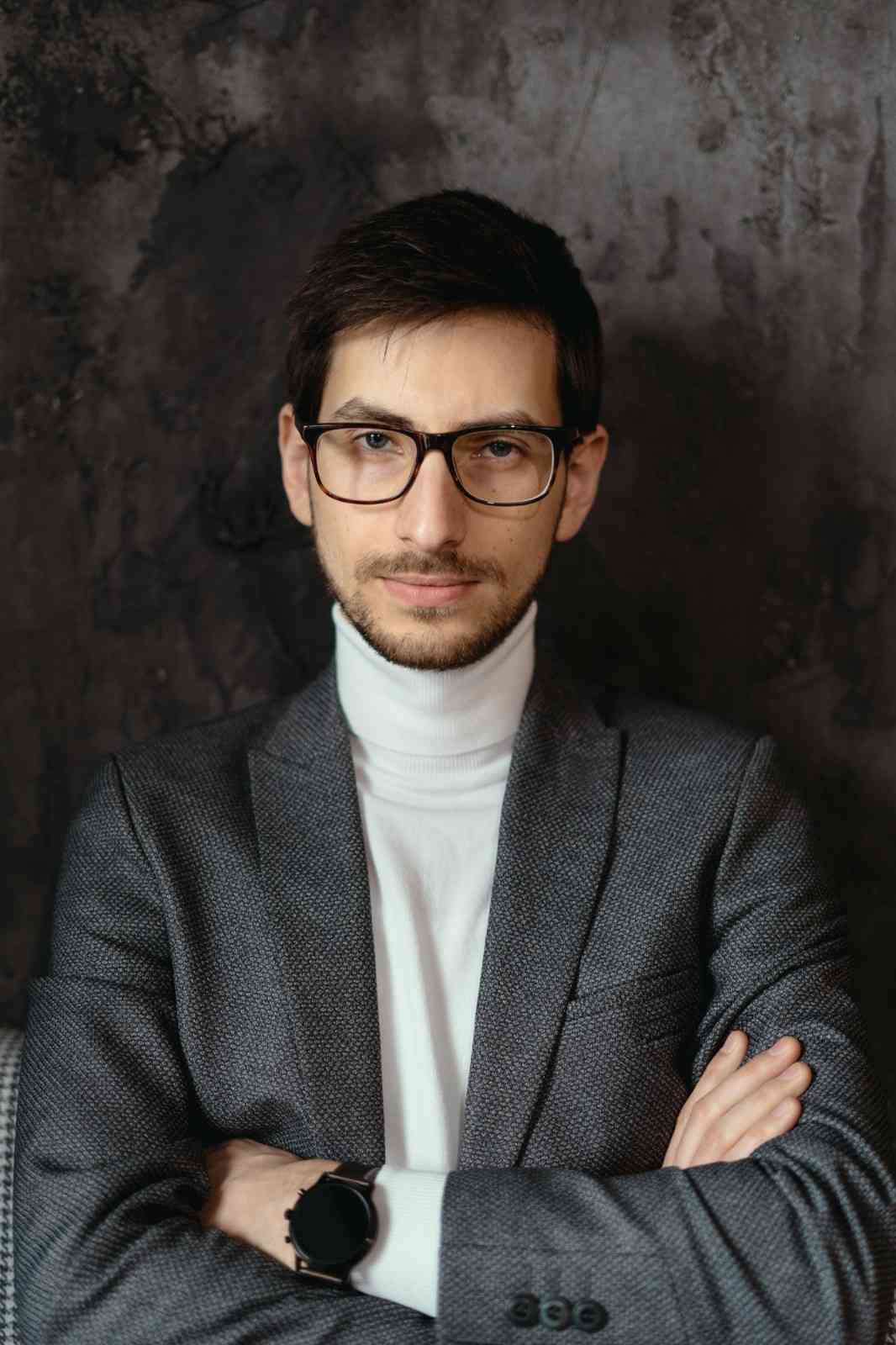
Headshot photography is a professional style of portrait photography focused on capturing a person’s face, expression, personality, and professional image. It is commonly used for LinkedIn profiles, company websites, business branding, actor portfolios, speaker bios, CVs, press features, and personal branding. A good headshot should look natural, polished, confident, and suitable for its intended purpose, whether corporate, creative, formal, or casual.
Headshot photography is a specialised type of portrait photography that focuses mainly on a person’s face, shoulders, expression and overall presence. Unlike a casual selfie or a full-body portrait, a headshot is created with a clear purpose: to present someone in a professional, approachable and memorable way.
In simple terms, a headshot is the image people often see before they meet you. It may appear on your LinkedIn profile, company website, email signature, business card, actor portfolio, speaker profile, CV, press release, author bio or personal brand page. That tiny square photo can influence whether someone sees you as confident, trustworthy, creative, experienced or, unfortunately, someone who took a blurry photo in bad bathroom lighting. Humanity has suffered enough.
A professional headshot is not just about looking attractive. It is about looking suitable for your industry, audience and goals. A lawyer may need a polished and trustworthy image. A creative director may need something stylish and expressive. An actor may need a headshot that shows range and personality. A business owner may need a warm and confident image that helps clients feel comfortable making contact.
That is what makes headshot photography important. It helps shape a strong first impression before a conversation even begins.
First impressions are often made online now. Before someone calls you, books your service, invites you to an interview or checks your business profile, they may see your photo. Your headshot quietly tells them something about your professionalism.
A strong headshot can help you look:
A weak or outdated photo can do the opposite. If your profile photo is cropped from a wedding, taken in a car, badly lit, heavily filtered or ten years out of date, it may not support the image you want to create.
Good headshot photography gives you control over how you are presented. It lets you decide whether your image should feel formal, relaxed, modern, corporate, friendly, artistic or authoritative.
For professionals, this matters because personal image and trust are closely connected. People want to know who they are dealing with. A clear, well-shot headshot makes your profile feel more real and credible.
A good headshot is simple, clear and intentional. It does not need dramatic props, heavy editing or complicated backgrounds. In fact, the best headshots often look effortless, which naturally means a professional probably spent time making them look that way.
A strong headshot usually includes:
The expression is especially important. A good headshot should not feel stiff or forced. It should show confidence without looking arrogant, warmth without looking fake, and personality without looking like a theatre audition unless, of course, it actually is one.
Lighting also plays a major role. Good lighting shapes the face, brightens the eyes and gives the image a clean, professional look. Poor lighting can create harsh shadows, dull skin tones or an unflattering result.
The background should support the image, not fight with it. Studio backgrounds, office settings, outdoor locations and environmental backdrops can all work, depending on the style needed.
Corporate headshots are used by business professionals, executives, employees, consultants, accountants, lawyers, financial advisers, estate agents and many other industries.
These headshots are usually clean, professional and polished. They may be taken in a studio, office or workplace setting. The goal is to create a trustworthy and capable image.
Corporate headshots are often used for:
For companies, consistent team headshots also help create a stronger brand image. When every employee has a different photo style, the website can start looking like a digital noticeboard assembled during a power cut.
LinkedIn headshots are designed specifically for professional networking. They should be clear, friendly and credible. Since LinkedIn profile images appear small on screen, the face should be easy to see.
A good LinkedIn headshot should feel professional but not lifeless. It should show that you are serious about your work, but still approachable enough that people do not feel like they are contacting a tax inspector from the future.
Clothing should match your industry. A formal suit may work for finance, law or corporate leadership. A smart casual look may be better for creative, marketing, tech or freelance roles.
Actor headshots are different from standard business headshots. They need to show personality, casting potential and emotional range. Casting directors use headshots to decide whether an actor may be suitable for a role.
An actor headshot should look natural and current. Heavy editing, dramatic filters or overly styled images can work against the actor because the photo must represent how they genuinely look.
Actors often need different headshots for different casting types, such as commercial, dramatic, comedic or character-based roles.
Creative headshots are ideal for designers, photographers, artists, musicians, stylists, writers, influencers and entrepreneurs. These images can be more expressive than corporate headshots.
They may include bold backgrounds, relaxed poses, creative lighting, environmental settings or brand colours. The aim is to show personality while still looking professional.
Creative headshots give more room for individuality, but they still need to be well-composed and purposeful. “Creative” should not become an excuse for messy, confusing or over-edited photos.
Personal branding headshots are designed to support a wider brand identity. They are useful for business owners, coaches, consultants, speakers, authors and public-facing professionals.
These sessions may include several images in different outfits, settings and poses. The goal is to create a collection of images that can be used across websites, social media, blogs, brochures, advertising and media profiles.
Personal branding photography often goes beyond a simple head-and-shoulders image. However, the headshot remains one of the most important parts of the set.
Headshot photography and portrait photography are closely related, but they are not exactly the same.
A headshot focuses mainly on the face, expression and upper body. It is usually created for professional or promotional use. The framing is tighter, and the purpose is more specific.
Portrait photography can be broader. It may include full-body images, lifestyle scenes, artistic concepts, family portraits or environmental storytelling. Portraits can be more emotional, creative or documentary in style.
A headshot asks, “How should this person be professionally presented?”
A portrait may ask, “What story, mood or personality should this image show?”
Both can be powerful, but headshots are usually more practical and profile-focused.
A professional headshot session usually begins with a discussion about your goals. The photographer may ask where the images will be used, what style you prefer, what industry you work in and whether you need a formal or relaxed look.
During the session, the photographer will guide you through posture, angles, facial expressions and small adjustments. This matters because most people are not naturally comfortable in front of a camera. Very few humans know what to do with their hands once a lens appears. It is almost impressive.
The session may include:
A good photographer helps you relax and gives clear direction. You should not have to guess how to stand, where to look or whether your smile looks natural. That is part of the professional service.
Your clothing should match your purpose, industry and personal brand. The outfit should support your face, not distract from it.
For corporate headshots, smart business clothing usually works best. This may include suits, blazers, shirts, blouses or smart dresses. Neutral colours such as navy, grey, black, white and beige often photograph well.
For creative headshots, you can show more personality through colour, texture or style. However, avoid clothing that is too busy, heavily patterned or covered in large logos unless it is part of your brand.
Good clothing tips include:
Comfort is also important. If you feel uncomfortable in your outfit, that tension may show in the photo. The camera is annoyingly honest like that.
Both studio and location headshots can work well. The best choice depends on the style you want.
A studio headshot gives a clean, controlled and professional result. The photographer can manage lighting, background and composition precisely. Studio images are ideal for corporate profiles, LinkedIn, CVs and formal business use.
Location headshots can feel more natural and personal. These may be taken in an office, workspace, city street, hotel, café, studio environment or outdoor setting. Location images work well for personal branding, creative industries and businesses that want a more lifestyle-led feel.
For a business website, a mix of both can be useful. A clean headshot works well for profile sections, while wider branding images can support homepage, service page and social media content.
You should update your headshot whenever your appearance, role, brand or professional direction changes. As a general rule, updating your headshot every two to three years is sensible.
You should also book a new headshot if:
An outdated headshot can create confusion when people meet you in person. Your photo does not need to show every tiny change, but it should look recognisably like you.
Headshot photography prices vary depending on the photographer, location, session length, number of edited images and whether the shoot is for an individual or a company team.
In the UK, individual professional headshot sessions may start from around £100 to £300. More detailed personal branding sessions, studio packages or multi-image shoots can cost more. Corporate team headshots are often priced per person or by half-day/full-day session rates.
The cost usually reflects more than the time spent taking photos. It includes planning, lighting setup, professional equipment, posing guidance, editing, retouching and image delivery.
For businesses, professional headshots are often a worthwhile investment because they improve brand consistency and help team pages look more trustworthy.
A selfie may be quick, but it rarely gives the same result as a professional headshot. Selfies can suffer from poor lighting, awkward angles, distortion, distracting backgrounds and low image quality.
Professional headshots are created with intention. The photographer controls the lighting, lens choice, background, composition and expression. They also understand how small changes in posture, chin position, shoulder angle and eye direction can improve the final image.
A professional headshot also looks more credible. It shows that you care about how you present yourself. That matters if you are trying to attract clients, employers, collaborators or media opportunities.
For a polished result, working with a specialist photography team such as RichCom Studios can help you create a headshot that feels natural, confident and aligned with your professional goals.
One common mistake is over-editing. Skin should look fresh and natural, not blurred into a plastic surface. Retouching should improve the image without making the person look artificial.
Another mistake is using the wrong background. A cluttered room, harsh outdoor scene or distracting pattern can take attention away from the face.
Poor posture can also weaken a headshot. Slouched shoulders, a tilted chin or tense expression can make the image feel less confident.
Other mistakes include:
A good headshot should feel polished but believable. It should look like the best version of you, not a fictional character loosely based on your LinkedIn account.
Headshot photography is a professional form of portrait photography designed to present a person clearly, confidently and appropriately for their role, industry or personal brand. It is used across LinkedIn, business websites, actor portfolios, company profiles, CVs, press features and marketing materials.
A strong headshot can help build trust, improve credibility and make your professional image more memorable. It is not just a photo of your face. It is a visual introduction.
Whether you need a corporate headshot, creative headshot, actor headshot or personal branding image, the goal is the same: to create a clean, authentic and purposeful image that supports how you want to be seen.
In a world where people often meet your profile before they meet you, a professional headshot is no longer a luxury. It is a practical part of presenting yourself properly. Annoying, yes. Useful, absolutely.
The purpose of headshot photography is to create a professional image that shows your face, personality and credibility. It is commonly used for LinkedIn, business websites, CVs, actor profiles and personal branding.
A headshot usually focuses on the face and shoulders for professional use, while a portrait can be wider, more artistic or more lifestyle-based. Headshots are more profile-focused and practical.
Wear clothing that suits your industry and personal brand. Smart, well-fitted outfits in simple colours usually work best. Avoid heavy patterns, large logos and anything that distracts from your face.
A basic headshot session may take 20 to 60 minutes. More detailed sessions with outfit changes, different backgrounds or personal branding images can take longer.
Yes, a professional headshot can improve your LinkedIn profile by making you look more credible, approachable and polished. It helps create a stronger first impression with employers, clients and business contacts.
We are just a phone call away. Reach out to us to book your appointment today and let us capture your most precious moments through our lens.