
In today’s social media landscape, photography is more than capturing moments at an event. It is an art that tells a specific story for each movement of the event through carefully documented moments, emotions, and interactions. Whether you are planning a wedding, birthday party, corporate function, or any other event, photography captures the highlights for future and lasting remembrance. Hiring professional event photographers ensures high-quality, expertly edited images that capture the atmosphere and key moments for lasting remembrance.
Event photography involves documenting various occasions to capture the atmosphere, energy, and emotion. From high-stakes corporate conferences to intimate weddings and lively concerts, each type demands a unique approach and skill set.
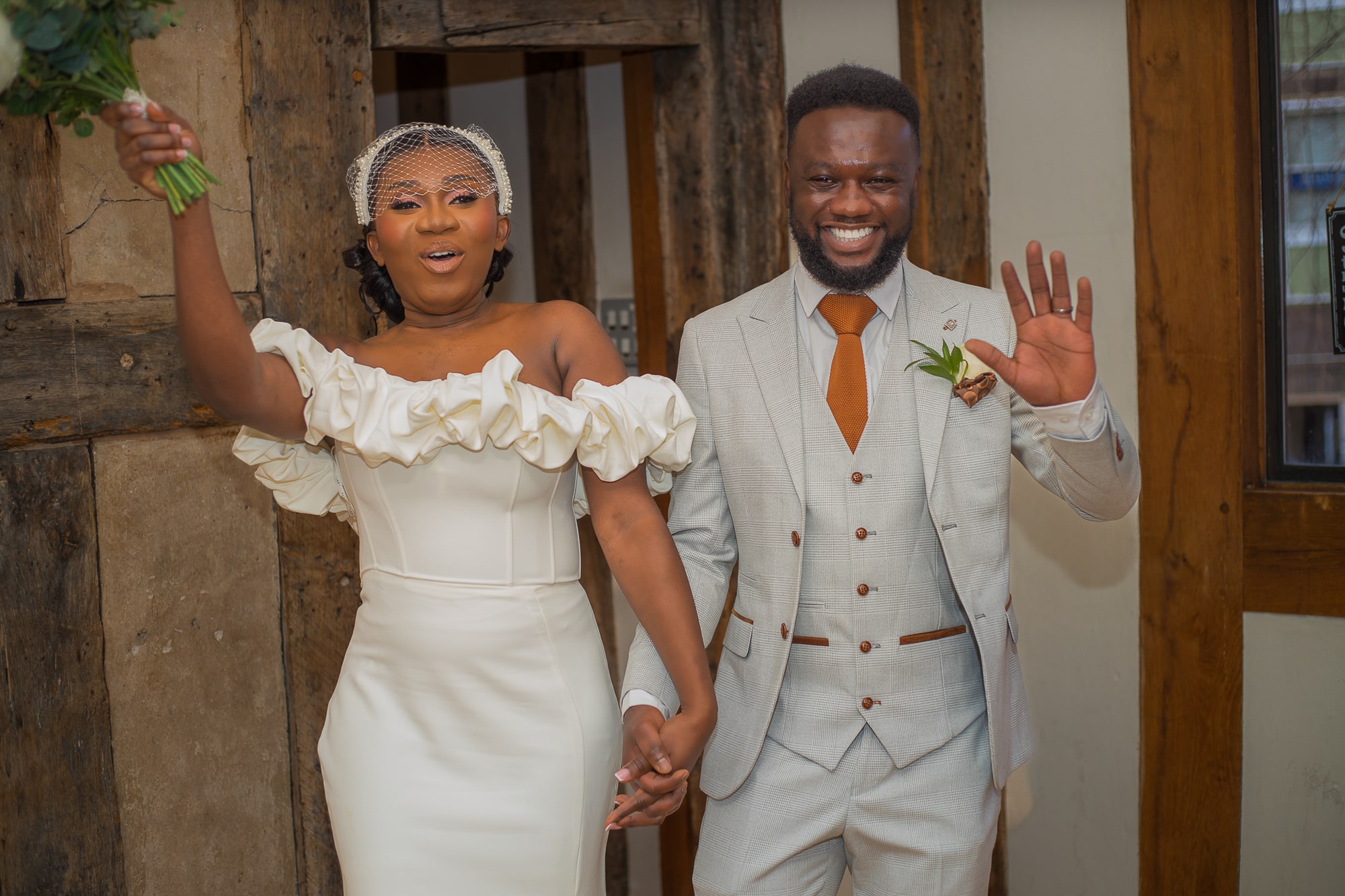
A wedding serves as a social bridge between a couple’s past and their future. To make your event memorable, capture it in multiple love movements during the ceremony and in the pre- and post-wedding moments. When you hire photographers for your wedding, their responsibilities go far beyond their technical skills. They are responsible for capturing the day’s emotional, loving, and quality moments that define the couple’s love story. Wedding photography combines creativity with sensitivity to preserve once-in-a-lifetime memories.
Corporate photography involves capturing business events, including conferences, trade shows, and corporate parties. This photography is crucial for building a strong brand identity, enhancing credibility, and fostering trust with clients. High-quality corporate photos are used in marketing, on websites, and on social media to present a professional image and make a lasting impression.
Nowadays, sport is not just a game but a universal language that creates deep connections between nations. Sport photography captures fast-paced action, dramatic expressions, and defining milestones. Photographers need to be quick and ready to capture movement, using specialised tools to capture important moments. Their photos connect people to the game and record significant achievements and personal successes.
Social and cultural event photography is the practice of documenting gatherings, ceremonies, and milestones that centre on human interaction, traditions, and community life. It focuses on preserving moments of cultural heritage, vibrant colours, and symbolic rituals, often to preserve memories or showcase cultural heritage. Photography of cultural events is a powerful medium for showcasing cultural diversity. Photographers, by capturing authenticity and diversity, build a visual archive that honours cultural identity and collective experiences.
This type of photography involves documenting of live musical performances, artists, and crowd energy. This genre requires technical skill in lighting and motion, used for promotion, media coverage, and creating lasting artistic images. Additionally, music and concert photographers must ensure flawless captures without disrupting the audience experience, producing visuals used for promotion, media coverage, and artistic portfolios.
It is very important to capture the event in a way that meets the client’s expectations and creates a lasting impression. Professional event photographers prioritise planning, effective communication, and technical preparation before arriving at the location.
Before attending any event, a photographer schedules a consultation with the client to understand objectives, priorities, and desired outcomes. By being aware of the client’s expectations, be it related to celebration, branding, documentation, or promotion, they can put all their efforts into documenting the event more effectively.
Creating a structured shot list ensures important highlights are not missed. For weddings, this may comprise:
For corporate events, shot lists often include keynote speeches, networking interactions, branded displays, and audience engagement.
Event photography requires the best equipment to deliver high-quality results in fast-paced, unpredictable environments. Proper gear, such as high-quality lenses and top-tier cameras, enables photographers to capture sharp, clear images of key moments in the event. For quality results, a photographer needs equipment such as:
Shooting at special events, such as corporate and wedding photography, requires specific techniques. The combination of professional skills and advanced equipment enables a photographer to capture any event effectively.
Most corporate and wedding events are held in low-light conditions or under artificial lighting. This is the most challenging aspect of capturing a high-quality image for a photographer. To overcome this challenge, professional photographers need to understand lighting in events by observing its direction, quality, and colour. They must evaluate light direction, colour temperature, and intensity to maintain accurate exposure. When capturing images, consider the sun’s position to avoid shadows, and place the light closer for softer, brighter, more intimate lighting.
Candid photography is the art of capturing subjects in natural, unposed, and unguarded moments. This style is commonly used in street photography, photojournalism, and especially in weddings to document genuine life. In candid wedding photography, photographers capture the happy couple’s smiles and the emotions of their family members.
The way a photographer composes an image significantly influences how powerful it feels. Event photographers:
For successful event photography, a photographer needs to capture the key moments. Identifying these moments enables the best possible documentation of the event.
These event photography tips highlight the most crucial moments to capture during the following events.
Weddings and Engagements
Key highlights include:
Corporate Events and Conferences
Important moments include:
Private Parties and Celebrations
Significant moments include:
It is very necessary to edit the event images before handing them over to the client. Through editing, photographers ensure the best image results by adding value and highlighting the picture’s key features. They can deliver images that are more polished and visually appealing, leaving a lasting impression on the client.
Cropping
By using different cropping techniques such as monocropping, crop rotation, intercropping, and relay cropping, photographers remove unnecessary elements from the picture. Through these techniques, they ensure the subject remains the focal point of the image.
Exposure
Sometimes the camera sensor creates over-exposed highlights or underexposed shadows. Photographers must remove these highlights to bring consistency to the image.
Brightness and Contrast
Increasing brightness in a photo enhances overall lighting, bringing clarity and vibrance. They make previously hidden details visible and allow colours to appear more vivid rather than dull or washed out.
Colour Correction
Colour correction ensures accurate white balance and removes unwanted colour casts under mixed lighting conditions. This step preserves realism and ensures a professional look throughout the gallery.
Tint and Temperature Adjustment
Professional photographers adjust tint and temperature settings to correct colour shifts. These adjustments work together to correct colour issues caused by mixed lighting sources, such as fluorescent or LED bulbs.
Sharpening
They adjust the sharpening level to help clearly define the image’s edges, enhancing its overall quality.
Composition
Through composition, they can arrange visual elements such as subjects, light, and lines within the frame. The purpose of the composition is to ensure the viewer’s focus on the main content.
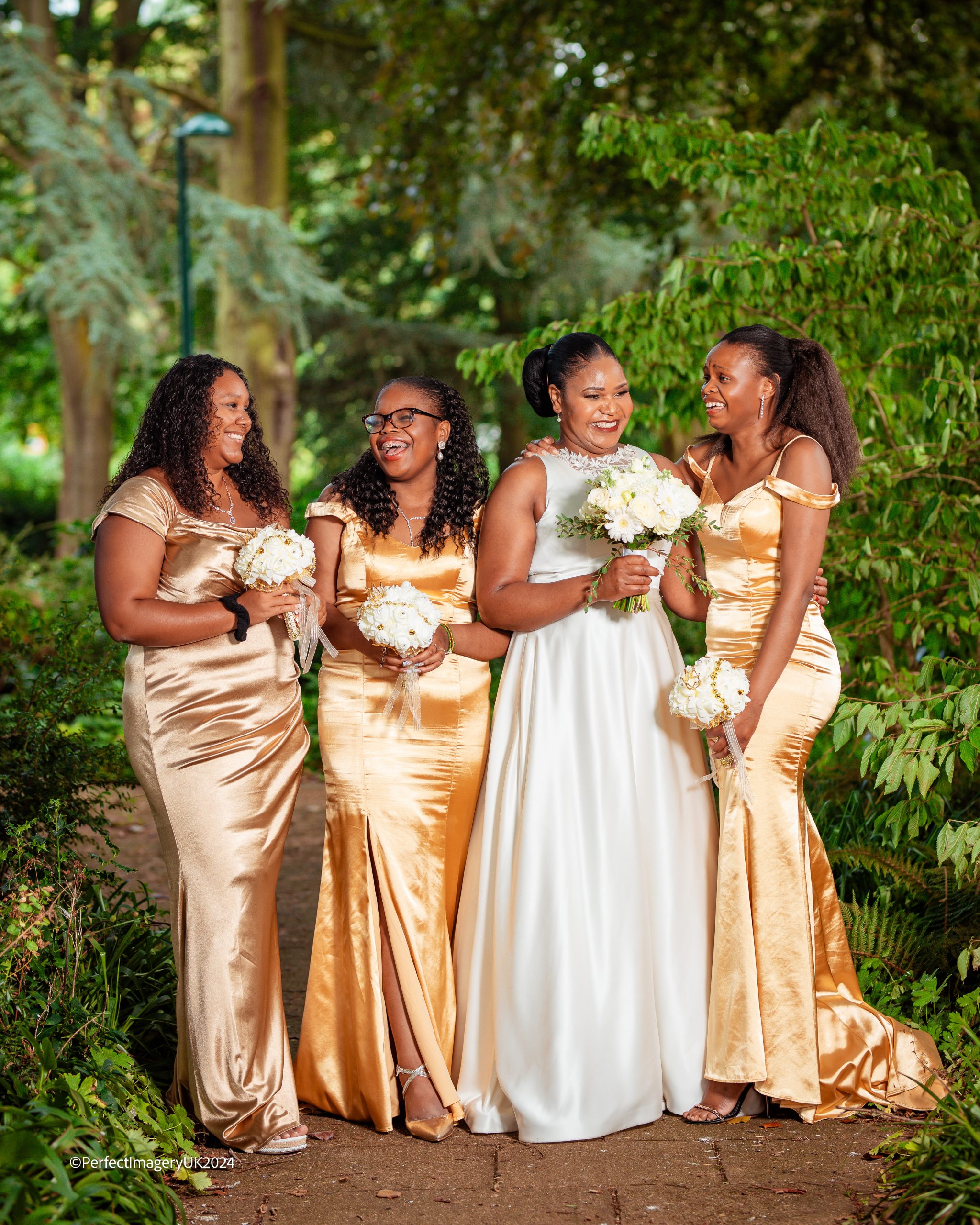
The final delivery stage brings together the entire event photography experience. After careful editing, photographers create a curated gallery of the best images that tell the event’s story. Instead of giving every photo, they focus on the most impactful shots.
Images are typically shared through secure online galleries, which makes it easy for clients to view, download, and share. These galleries typically offer high-resolution downloads for printing and web-optimised versions for social media. For corporate clients, images may be sorted for press releases and marketing purposes.
The time it takes to deliver the images differs. Smaller events may take a couple of days, while weddings or large corporate events may need one to three weeks for thorough editing.
Photographers may also offer extras like:
Before handing over the photos, photographers do a final check to ensure quality and consistency. Clear communication about delivery times, file formats, and usage rights helps clients know what to expect.
An organised delivery process enhances the client experience and leaves a lasting impression after the event.
Event photography is a powerful way to document the moments of your meaningful occasions. With thorough preparation, technical skill and creativity, photographers capture images that tell the story of the event. From weddings and corporate functions to cultural celebrations and concerts, each event demands careful planning and artistic sensitivity.
It is crucial that you choose an event photography company that captures your event and creates lasting memories. RichCom Studios is your go-to for event photography services which align with your needs. Our photographers understand that each event is special, so they put in extra effort to capture every moment and provide timeless images that demonstrate your most meaningful moments.
We are just a phone call away. Reach out to us to book your appointment today and let us capture your most precious moments through our lens.