
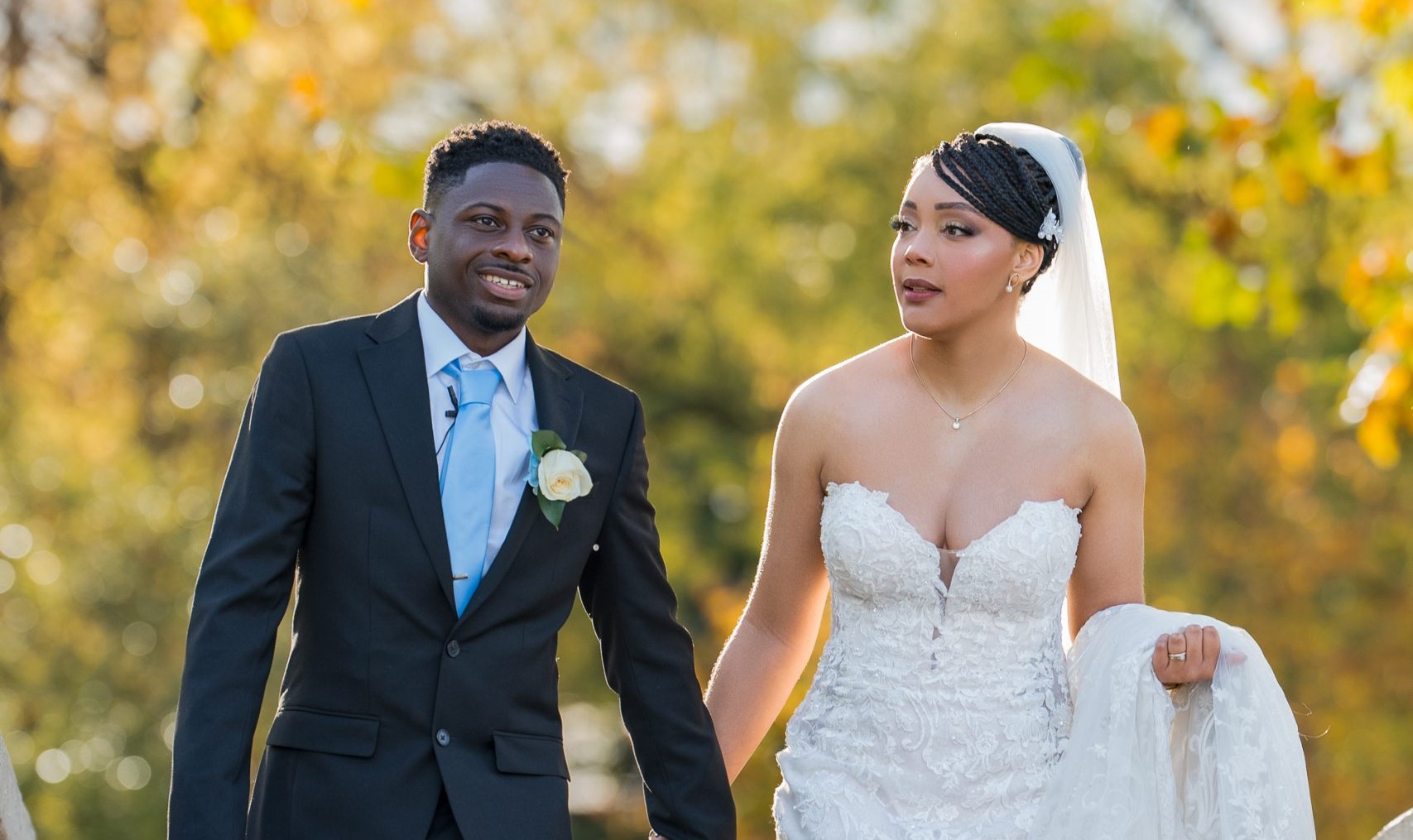
Portrait photography is an artistic way of documenting our identity rather than just our physical appearance. It is a powerful visual art form that focuses on expressing identity, emotion and personality through carefully composed images.
By understanding how to control light, subject, context, emotion, and camera techniques, photographers can turn an ordinary moment into something both meaningful and memorable. Whether captured in a professional studio or in a natural environment, portrait photography remains one of the most impactful ways to document human experience.
This blog explains the essential components, styles, and techniques of portrait photography.
Portrait photography is about capturing people, primarily their faces, emotions, and personalities. While it might look straightforward, producing effective portraits requires a balance of technical proficiency, creativity, and a comprehensive understanding of the subject. Here are some key elements of portrait photography:
Subject: The subject is the focal point of the portrait. Their posture, expression, and overall presence define the image. A skilled photographer directs the subject to evoke genuine and natural expressions.
Lighting: Lighting plays a crucial role in defining facial features and creating depth, and setting the moods. Soft lighting produces a flattering, natural look, while dramatic lighting can add intensity and emotion.
Background: Choosing a simple or complementary backdrop helps the subject stand out and gives the portrait a polished, professional appearance.
Composition: How the subject is framed, the angle of the shot, and their placement within the frame all influence the story the portrait communicates.
Emotion and Expression: The most memorable portraits capture genuine emotion. Whether subtle or expressive, emotion establishes a bond between the subject and the viewer, enhancing the image’s significance.
Portrait photography is highly versatile and includes a range of styles, each suited to different purposes and creative directions.
Traditional Portraits:
Traditional portrait photography style is a widely used type of photography. This type of photography is formal and structured, generally taken in a controlled environment such as a studio or a clean area inside a building. The lighting is planned precisely to highlight the subject’s facial features, skin tone, and expression.
Traditional portraits are often used to create family photos, school photos, formal event photos, and other personal memories. The goal of a traditional portrait is to have a simple, clean, and timeless portrait. The emphasis stays fully on the subject, producing clear and classic outcomes.
Environmental Portraits:
An environmental portrait captures individuals within their natural surroundings. Instead of isolating the subject, this style includes elements of their daily life or profession. For example, a chef might be pictured in a kitchen, or an artist in their studio. The environment adds context and depth, making the portrait more narrative-driven and authentic.
Headshot Portraits:
Tightly framed portraits that primarily depict the individual’s head and shoulders, or close-up shots of their face, are called headshots. They are widely used for many purposes in business profiles, corporate websites, actor portfolios, and personal branding.
Headshots are created to provide a subject with an approachable, confident, and professional look, often using clean lighting and neutral backgrounds.
Lifestyle Portraits:
Lifestyle Portraits are photographs of individuals in real-life scenarios and typically show the subject interacting naturally, rather than being posed. The resulting appearance of these portraits is usually candid and has a relaxed, emotional feel, despite often being planned and managed by the photographer before the photographs are taken.
This style is popular for families, couples, influencers, and brands, as it focuses on storytelling, connection, and everyday experiences.
Fashion Portrait: Fashion portraits emphasise the clothes, accessories, and general styling of the subject but also include the model’s facial expression and pose. They are most often found in magazines or used in advertising campaigns. They often feature dramatic lighting, stylised poses, and creative direction to create a strong visual impact.
Fine Art Portrait:
Fine art portraits have more artistic precedence than documentation. Many creative techniques are used to create fine art portraits, including creative lighting, dramatic posing, a unique theme, stylised makeup, and a distinctive manner of display.
The photographer’s vision plays a central role in the final image, designed to evoke emotion and communicate a deeper message.
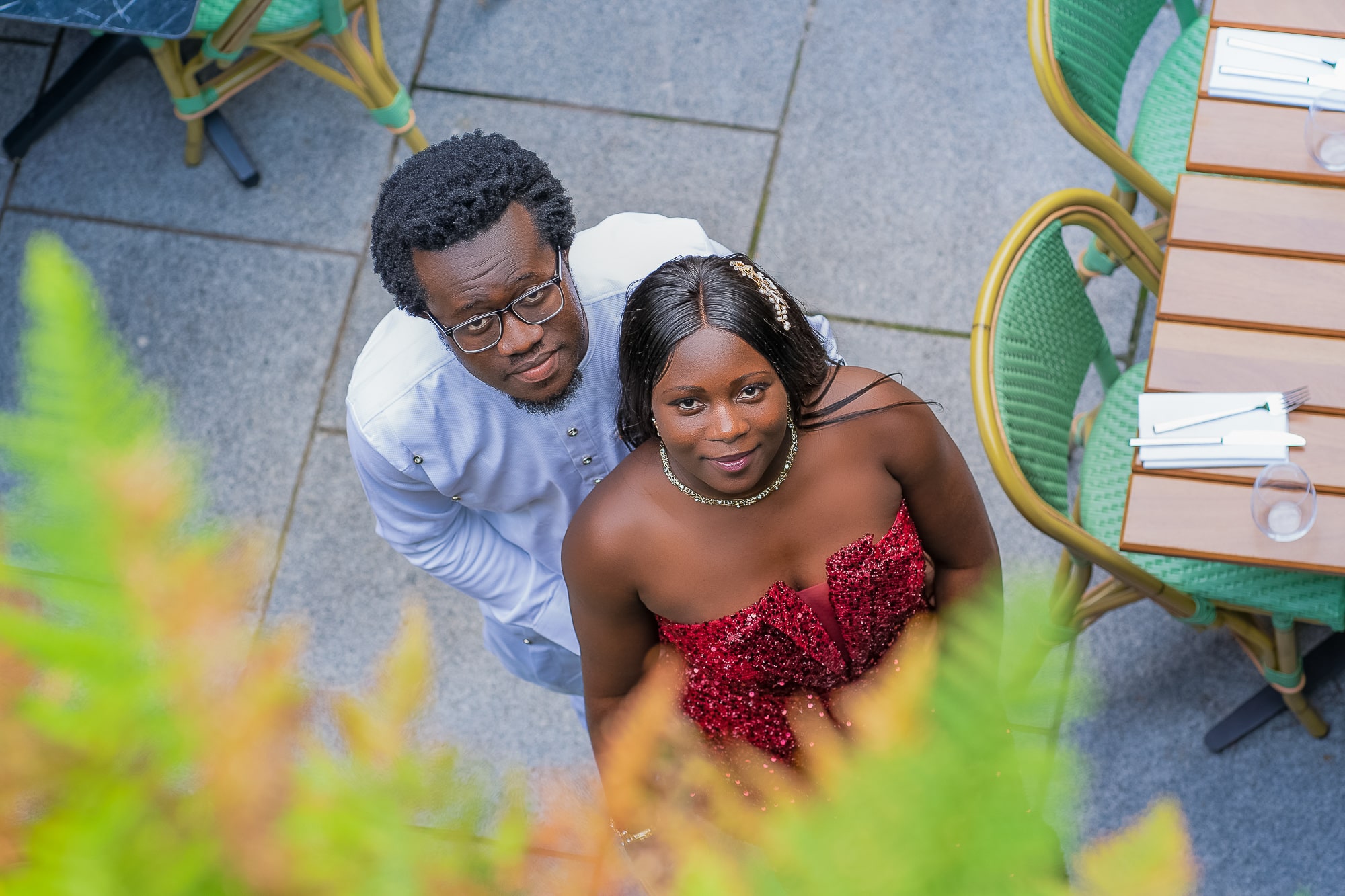
While creativity is essential, the right equipment also plays a significant role in producing high-quality portraits, such as:
Camera: The most commonly used cameras include DSLRs, mirrorless cameras, and even smartphones with high-resolution cameras.
Lens: Prime lenses like 50mm/ 85mm are typically used for their ability to make the subject’s face stand out from the background.
Lighting: Softboxes, reflectors, ring lights, or natural sunlight all influence the final image.
Tripod: Useful for stability, especially in studio settings.
Photo Editing Software: Tools such as Adobe Lightroom and Photoshop assist in refining and enhancing images.
Improving portrait photography requires both technical understanding and practical application. Here are some practical tips to help you take better portrait photographs:
Portrait photography holds significant value across personal, professional, and creative contexts. It is used for:
Portraits capture more than appearances. They preserve identity, emotion, and moments that might otherwise be lost.
Portrait photography goes beyond appearance to reflect character, emotion, and identity. When elements like light, framing, and expression come together, photographers can craft images that feel meaningful and authentic. Whether practised as a profession or a passion, portrait photography remains a powerful way to capture memories and honour individuality.
We are just a phone call away. Reach out to us to book your appointment today and let us capture your most precious moments through our lens.