
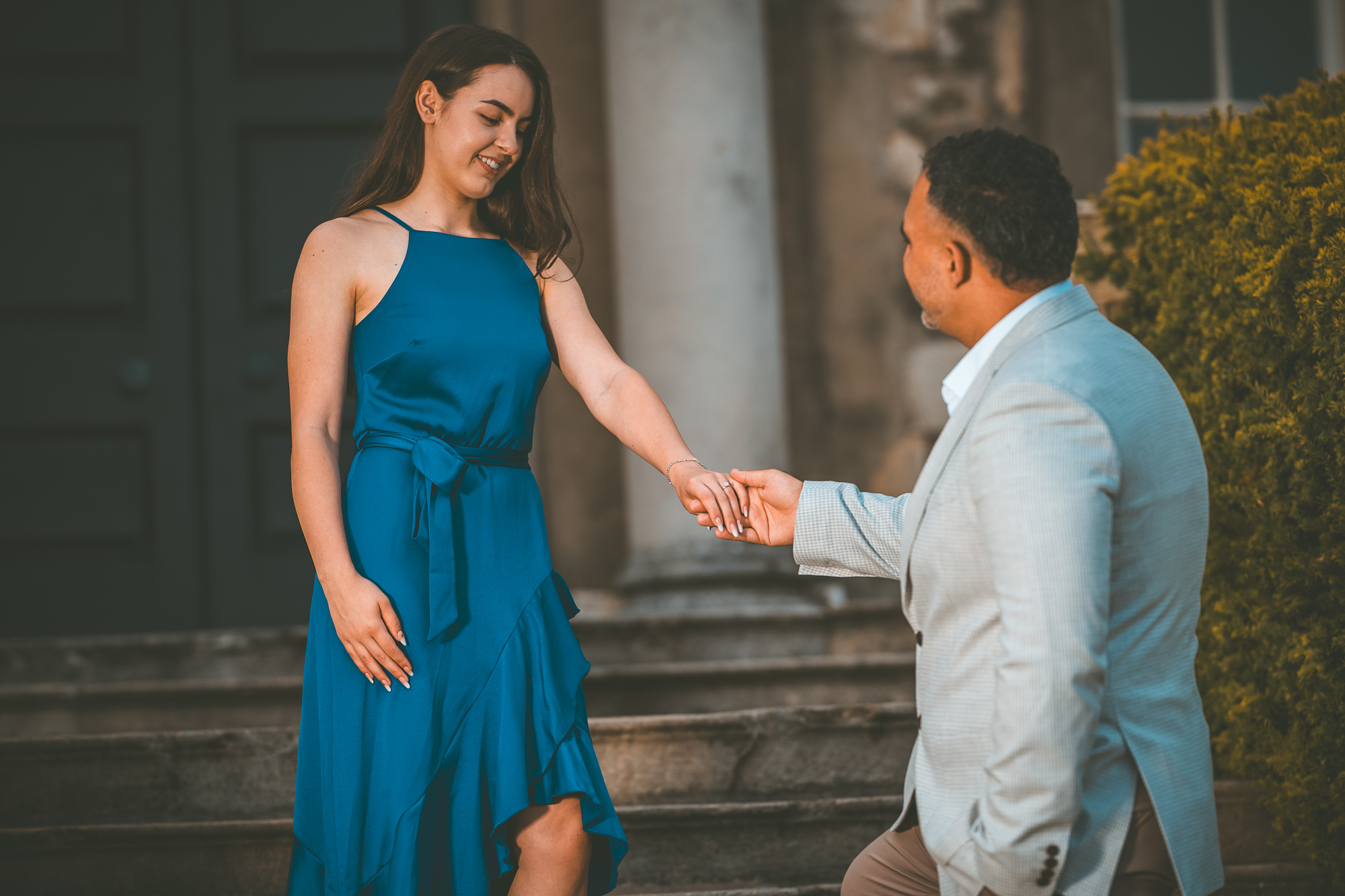
Cinematography is the science of capturing motion pictures with a camera. It is the combination of the two Greek words: “kinema,” meaning movement, and “graphos,” which means drawing or writing. It is a technique that involves lighting, framing, lens, and camera movement. In visual media, cinematography contributes to storytelling and builds the visual narrative. It has the power to make or break the project.
In this comprehensive guide, we will write about cinematography and the important cinematography techniques and elements.
Modern cinematographers use various techniques and artistic elements to create compelling visual stories. These techniques play an important role in shaping the narrative. Below are the important techniques of cinematography:
The camera is the most important element. It’s also referred to as the cinematographer’s paintbrush. Below are some of the points that will help you understand in-camera placement and movement.
Static Shots: For this shot, the camera must remain stationary to maintain stability. It allows the audience to stay focused on the frame in which the scenes unfold.
Panning and Tilting: The use of basic horizontal and vertical movements when in the scene you want to tilt and pan.
Tracking Shots: The camera maintains visual continuity by following the character’s movement throughout the scene. These shots help the audience connect with the action and the subject.
Aerial and Crane shots: Aerial and crane shots provide high-up views and offer the best perspective for the isolated character. This shot is used to showcase geometry and scale.
Cinematographers use lighting techniques to control the light, which helps define the visuals and emotions. Lighting is not limited to technical necessity; it also has the power to tell a story and convey a character’s emotional state. It enhances the overall mood and aesthetic of the movie or moment.
The following are the common lighting techniques:
Fill light
This technique helps reduce shadows and maintain image visibility without flattening it.
Backlight
A backlight is used to separate the subject from the background and to add depth to its frame. For example, to create a sense of mystery.
Natural light
The use of natural light makes the scenes more realistic. Mostly used in documentaries or indie films to make the scenes authentic.
It is the art of creating emotions by using the elements. Shot composition revolves around the arrangement of elements in a camera frame. It is important to understand the composition rules and use them effectively to keep the audience engaged throughout the story.
Below are some of the composition rules:
Rule of Thirds: To make the shot more interesting, place the main elements along grid lines, rather than placing the elements in the centre.
Leading Lines: These are a powerful technique for crafting visually compelling scenes that that direct the audience’s gaze toward the intense scene. This technique enhances storytelling and adds movement and dynamism to the visuals.
Depth of Field: This rule controls which elements are in focus and which are blurred, creating space and grabbing the audience’s attention.
A camera shot is how much the audience sees in a particular frame. These are the three basic camera shots: the close-up, medium shot, and long shot.
Close-up
This shot is taken from a close range to provide more detail and information about the object or character, helping the viewer understand the emotions. Close-up shots are often used to draw the audience’s attention toward a certain symbol or motif.
Medium Shot
A medium shot, or waist shot, is the shot that is taken from a medium distance from the subject. It is mostly used for back-and-forth dialogue that gives viewers a clear view of each character in the film. A medium shot is also called the sweet spot because it captures details of both subjects and the surrounding scene.
Long Shot
The long shot, also known as the wide or full-range shot, is used to establish a scene in the film. This includes a large portion of the surroundings and the full length of the subject. It creates the sense of separation between the audience and the film itself.
Cinematography and photography both involve capturing images with a camera, but the difference lies in how they are executed and what they aim to achieve.
Photography captures the moment. It focuses on creating a standalone, single image. The photographer controls lighting, composition, and exposure to capture the moment.
Cinematography is the art of creating the sequence of moving objects that work together to tell a story. This is more detailed and requires the cinematographer to consider the sequence of moving images, the flow of shots from one to the next, and how visual choices support emotion and narrative throughout the scene or movie.
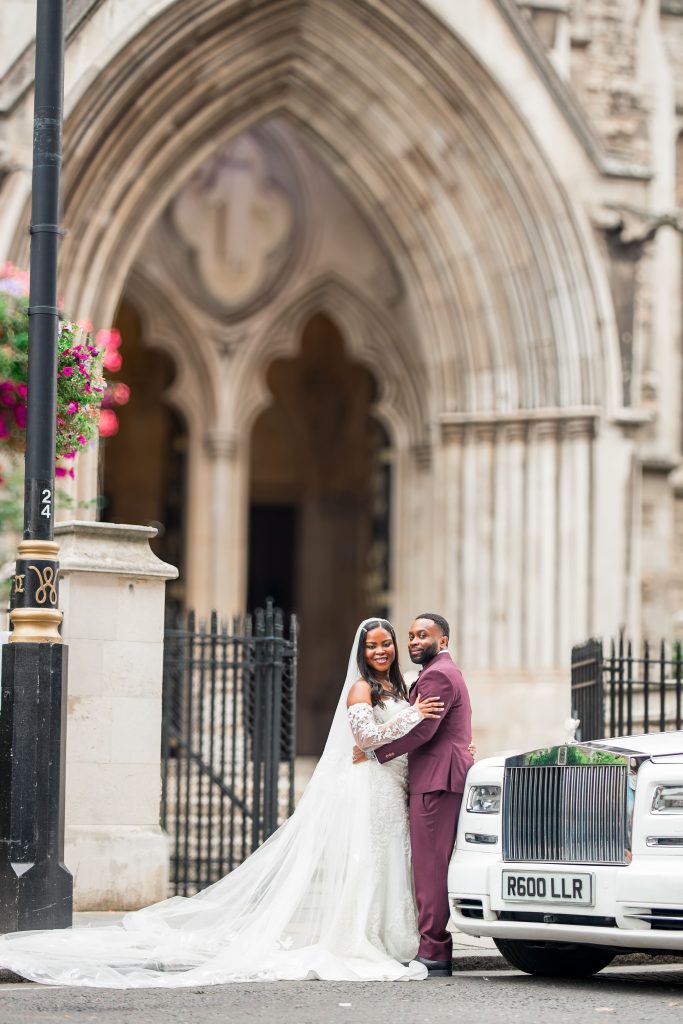
Cinematography is a fundamental part of filmmaking, but it is not the same as filmmaking.
Filmmaking involves the process of creating a film, including directing, editing, sound design, writing, cinematography, distribution, and production management.
Cinematography mainly focuses on the visual; it involves camera placement, composition, lighting, exposure, and movement. It is the visual through which the audience experiences the story.
Cinematography is the heart of filmmaking. It is the art of telling stories through moving images. For successful cinematography, continuous learning is required in almost every field because technology and industries are evolving rapidly. The art of cinematography shapes our experience of stories, conveying emotions and the ideas behind them through moving images. At RichCom Studios, our cinematographers provide expert services that align with your creative vision.