
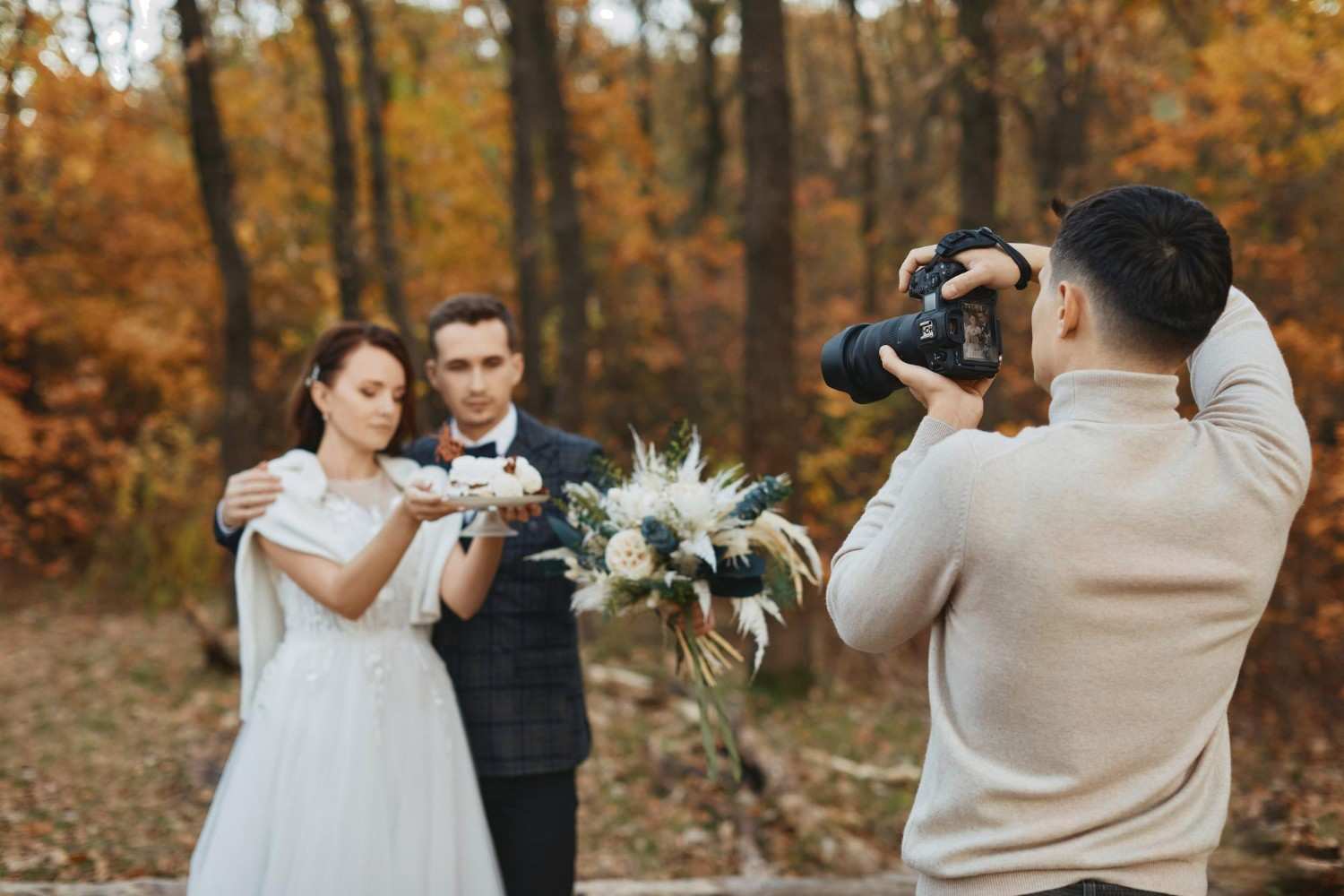
Documentary wedding photography is a natural, storytelling style of photography that captures real emotions, genuine interactions, and unscripted moments throughout a wedding day. Instead of directing poses, the photographer quietly documents events as they happen, creating an authentic visual story that reflects the couple’s personalities, relationships, and the true atmosphere of the celebration.
Your wedding day is one of the most meaningful events of your life, filled with laughter, excitement, tears of joy, and unforgettable memories. While every couple wants beautiful photographs, many are moving away from heavily posed images and choosing a more natural approach. This is where documentary wedding photography has become one of the most popular styles in the UK.
Rather than asking couples and guests to constantly pose, documentary wedding photography focuses on capturing genuine emotions and real moments as they naturally unfold. Every smile, hug, nervous glance, happy tear, and spontaneous laugh becomes part of a visual story that reflects the day exactly as it happened.
In this guide, you’ll discover what documentary wedding photography is, how it differs from traditional wedding photography, its benefits, what happens on the wedding day, and whether it is the right choice for your celebration.
Documentary wedding photography, sometimes known as reportage wedding photography or candid wedding photography, is a storytelling approach that records events naturally without unnecessary interference.
Instead of arranging every shot, the photographer observes the wedding quietly, anticipating meaningful moments before they happen. The aim is to document the atmosphere, emotions, and relationships rather than create artificial scenes.
The final collection feels less like a photo album and more like a visual documentary that tells the complete story of your wedding from beginning to end.
Unlike traditional photography, documentary photographers rarely interrupt the flow of the day.
From the morning preparations to the evening celebrations, they blend into the background, allowing everyone to relax and enjoy themselves.
Rather than giving constant directions, they carefully observe moments such as:
Because these moments happen naturally, the photographs feel authentic and timeless.
Although both styles aim to preserve memories, their methods are quite different.
Many modern photographers combine both approaches by capturing mostly documentary images while setting aside a short period for family portraits and couple photographs.
This offers the best of both worlds.
A documentary photographer pays attention to much more than the ceremony itself.
They look for meaningful details throughout the entire day.
These may include:
Small details that might otherwise be forgotten.
A documentary photographer is constantly observing.
Rather than controlling events, they anticipate moments before they happen.
This requires:
They often work quietly with longer lenses, allowing people to behave naturally without feeling watched.
Many couples worry that choosing documentary photography means they won’t receive any beautiful portraits.
Fortunately, this is rarely the case.
Most documentary photographers still include:
These sessions are usually short and relaxed, allowing the majority of the day to remain natural and uninterrupted.
One reason this photography style works so well is its adaptability.
Whether your wedding takes place in:
The storytelling approach remains equally effective.
The venue simply becomes another important character within the story.
Not every wedding photographer specialises in documentary photography.
When choosing someone, consider the following:
A complete wedding gallery reveals far more than a handful of highlight images.
Look for consistency from beginning to end.
Ask yourself whether the images tell a complete story rather than simply showcasing attractive portraits.
Choose photographers whose editing style enhances reality instead of dramatically altering colours or skin tones.
Experienced documentary photographers understand how to anticipate emotional moments before they happen.
This skill develops over many years.
You’ll spend much of your wedding day with your photographer.
Choosing someone you genuinely feel comfortable with often leads to more relaxed photographs.
This is false.
Most photographers still include essential portraits while maintaining a documentary style for the majority of the day.
Quite the opposite.
Successful documentary photography requires planning, anticipation, timing, composition, and technical expertise.
“Anyone Can Do It”
Capturing genuine moments consistently throughout an entire wedding requires years of experience and exceptional observational skills.
You can help create even better documentary photographs by following a few simple ideas.
For many couples, the answer is absolutely yes.
Years after the wedding, people often remember the emotions more vividly than the decorations.
Documentary photography preserves those emotions exactly as they happened.
Instead of looking through hundreds of similar posed images, couples receive a collection of meaningful memories that genuinely reflect their personalities, family, and relationships.
The photographs become more valuable with time because they capture moments that can never be recreated.
Whether it is your grandparents sharing a quiet smile, your friends laughing during speeches, or the excitement before walking down the aisle, these are the memories that truly define your wedding day.
Photographers such as Richcom Studios embrace this storytelling approach, helping couples preserve genuine moments while allowing them to enjoy every second of their celebration without constantly stopping for posed photographs.
Documentary wedding photography is about much more than taking pictures. It is about preserving the emotions, atmosphere, and authentic moments that make every wedding unique. Rather than focusing on perfection, it celebrates reality, capturing your day exactly as it unfolds.
If you want wedding photographs that tell a heartfelt story instead of simply recording formal poses, documentary wedding photography is an excellent choice. Years from now, these natural images will transport you back to every smile, tear, embrace, and celebration, allowing you to relive one of life’s happiest days exactly as it happened.
Documentary wedding photography is a natural style that captures genuine moments, emotions, and events without excessive posing or direction. It tells the story of your wedding exactly as it happens.
They are closely related, but documentary photography goes beyond candid images by creating a complete visual story of the entire wedding day rather than focusing only on spontaneous moments.
Yes. Most documentary photographers include a short session for family group photographs and couple portraits while keeping the rest of the day natural and unobtrusive.
They observe quietly, anticipate emotions, and photograph events without interrupting the flow of the day, allowing everyone to behave naturally.
Yes. Whether your wedding is large or small, indoors or outdoors, documentary photography works beautifully because it focuses on genuine emotions and real experiences rather than the venue or event size.
We are just a phone call away. Reach out to us to book your appointment today and let us capture your most precious moments through our lens.